The Farm

Quinta da Queiró

In the mystique of the mist…


Rural tourism Country Houses category

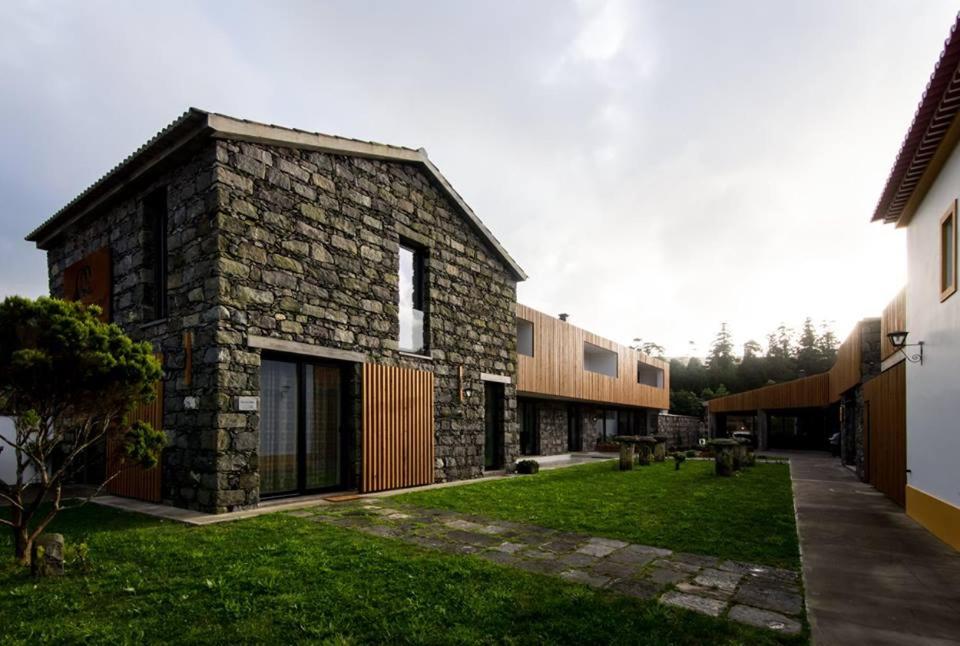
This tourist development is the result of the renovation of a family home belonging to the entrepreneurs’ paternal grandparents, whose main activity was agriculture, located on a street called Rua da Queiró due to the endemic plant queiró, whose scientific name is Calluna vulgaris, which was prevalent in this location in the past. In the renovation of the main house, as well as the different infrastructures that served as support for the various tasks inherent to agricultural production, the intention was to rehabilitate the existing architecture, maintaining both the original design and volumes, using traditional materials and introducing new constructions in order to improve the living conditions and well-being of those who visit us. The interventions in the various spaces clearly aim to create a fusion between the rustic, evident in the initial construction, and the contemporary, without leaving behind small details that indicate the experiences lived by all those who made up the generations that lived in this place.

The surrounding land has been landscaped and well-lit, with a mix of ornamental plants, some of which are endemic, fruit trees that make up the typical orchards found in the backyards of the houses in this rural area, an educational vegetable garden and a chicken coop.

The interior decoration uses traditional antique furniture belonging to the family, which has been duly restored, along with other more contemporary touches, in an attempt to portray authenticity without neglecting the comfort inherent to this type of development. The developers also value sustainable development and, as such, renewable energy will be present in the development through wood-fired fireplaces, with heat recovery for the bedrooms in order to avoid unnecessary electricity costs. With the same purpose, all the machines in the development were chosen based on their low energy consumption.

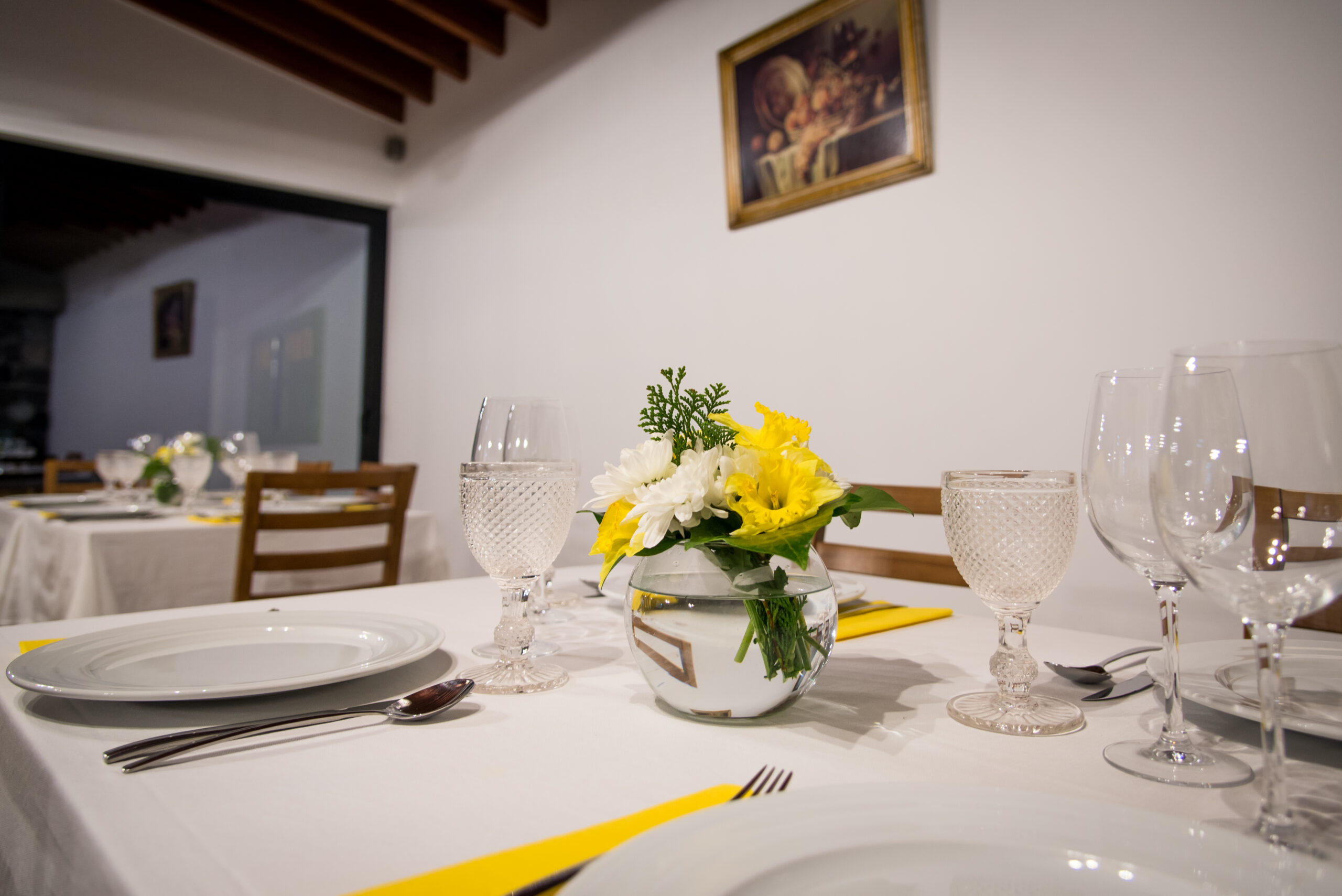
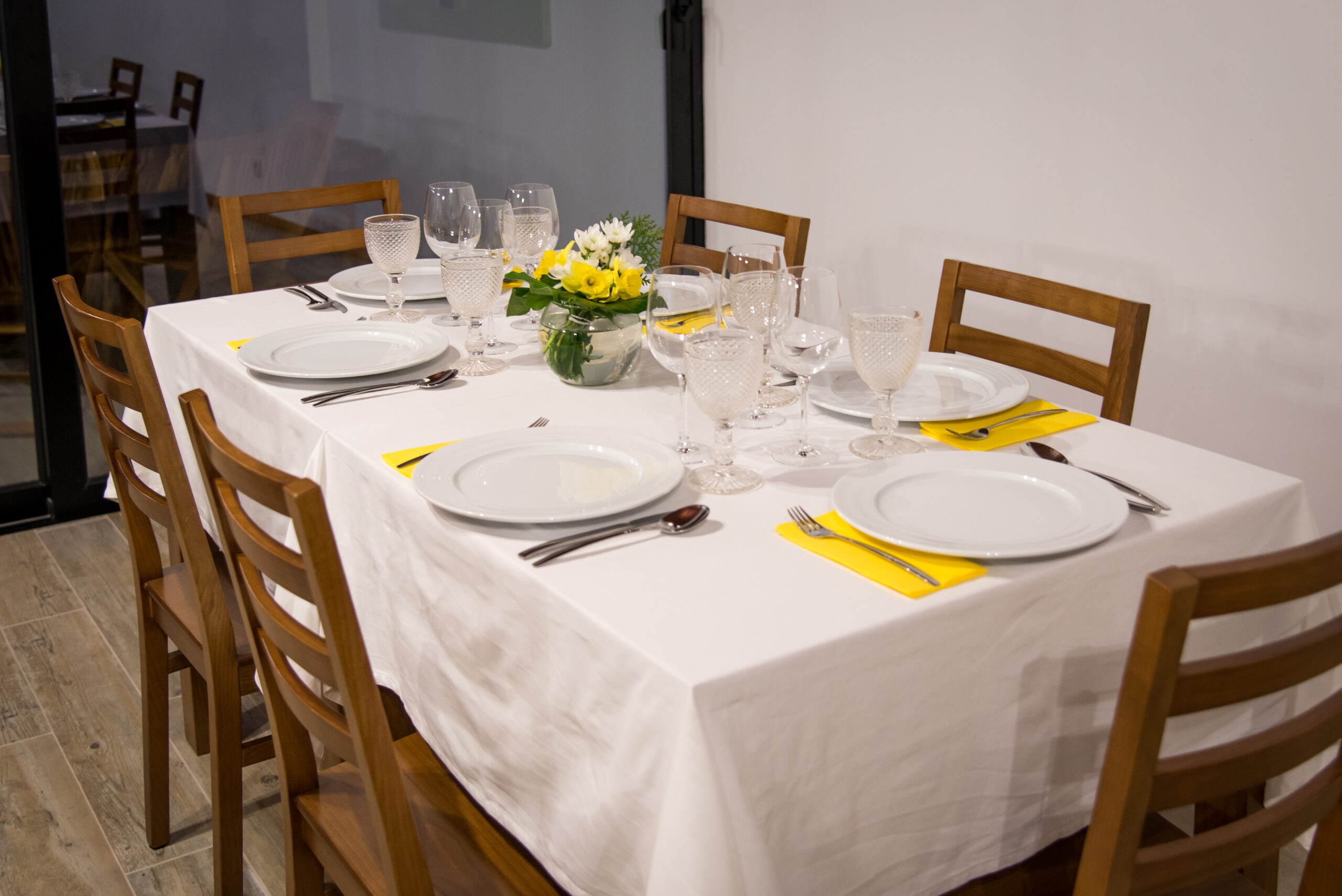
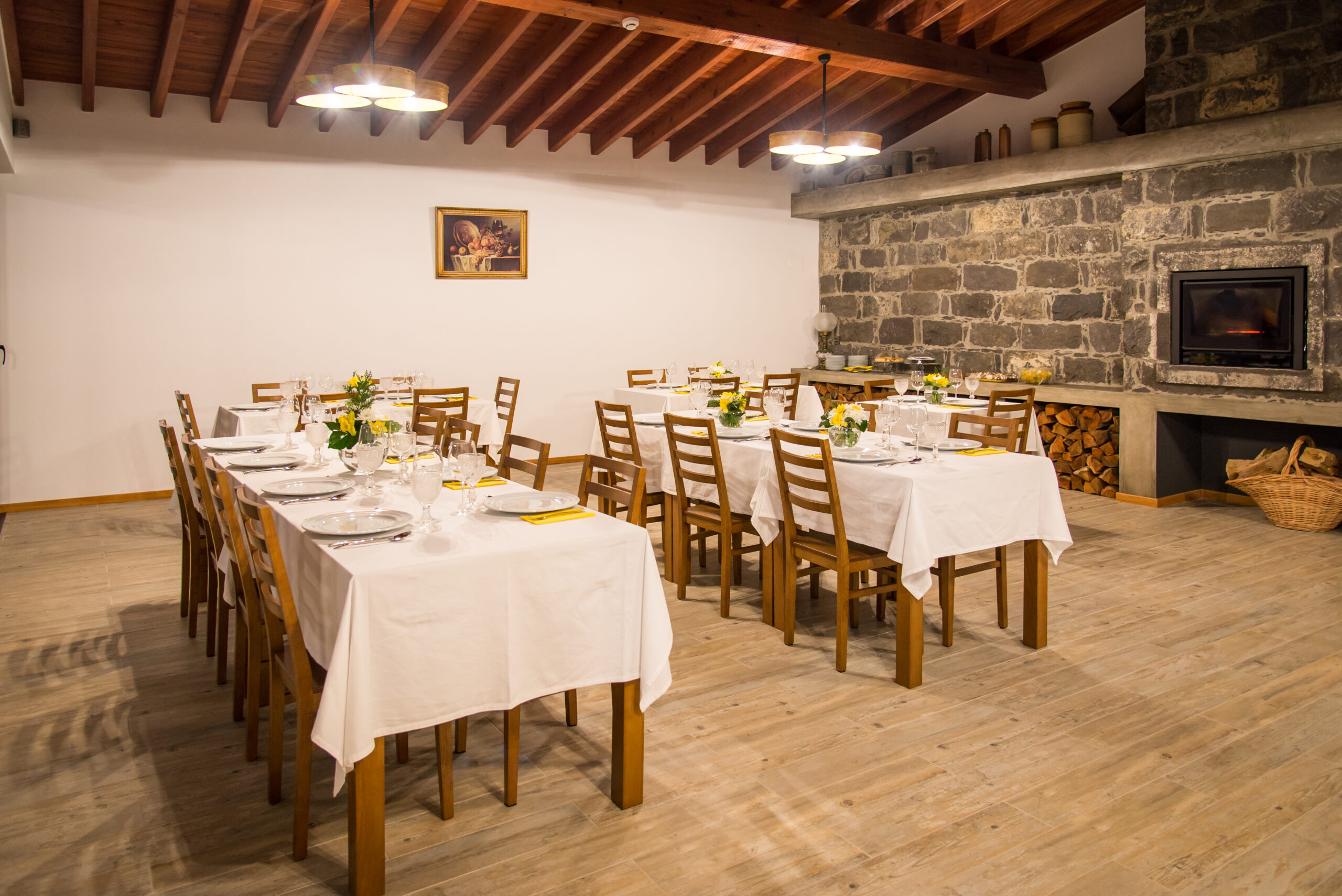
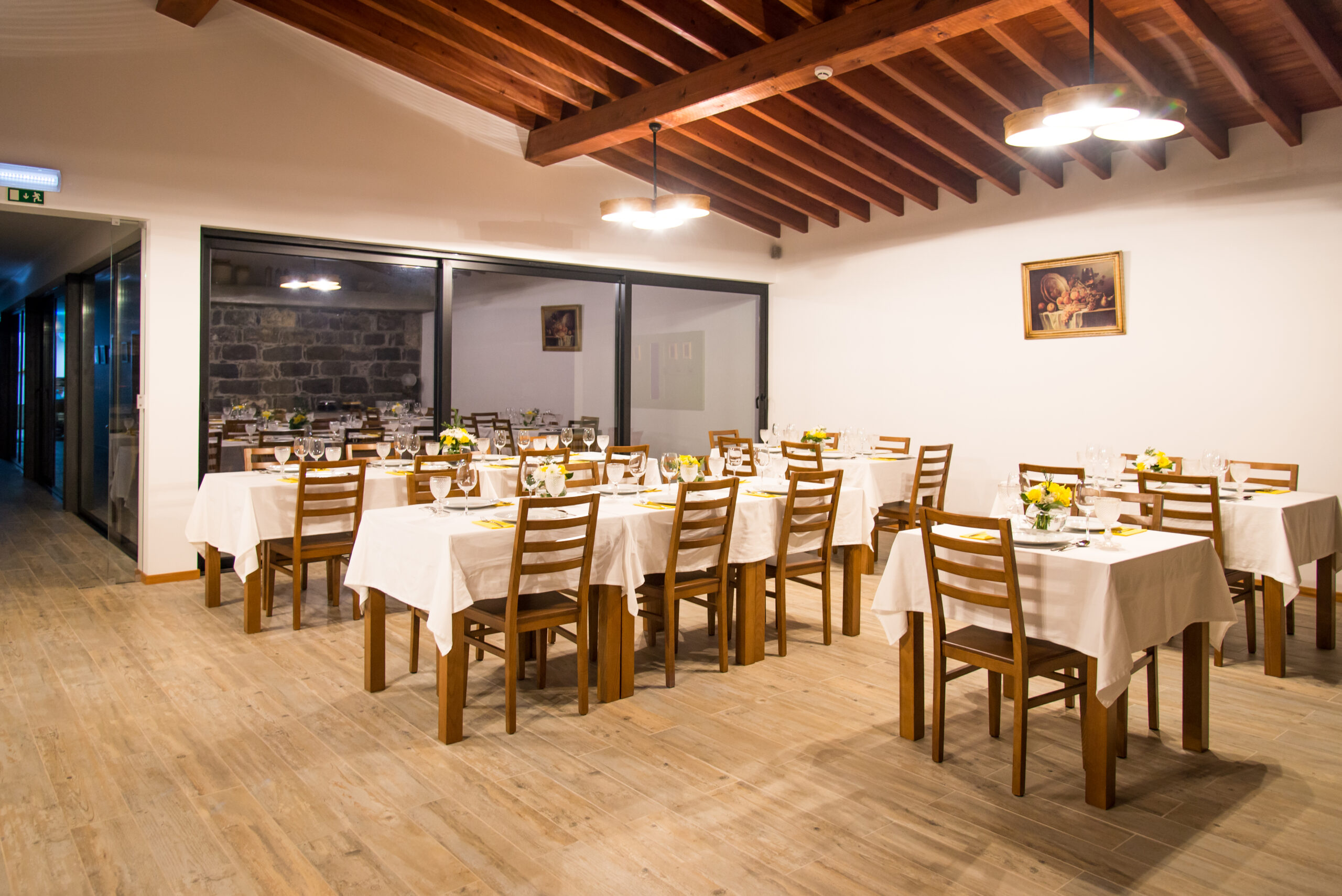
In this development, associated with the accommodation, a space was built from scratch consisting of a tea room, open to the public, where, for example, breakfast will be served to the occupants of the accommodation units. A rustic kitchen with a wood-burning oven, which will serve as support for the tea room and another room called the events room. Also in this building, a third space was built – a themed room, where throughout the year the different seasons, festivities and traditions inherent to the culture of the Setes Cidades and the Azores in general will be portrayed.

Surrounding spaces

Orchard and Vegetable Garden

The orchard has several fruit trees typical of the region and a vegetable garden with aromatic herbs. It operates organically, using organic fertilizers. In addition to supplying the tourist resort, it will have an educational aspect, allowing tourists to participate in activities such as pruning and harvesting.

Terrace

The surrounding areas include gardens, an orchard, an educational vegetable garden, and social spaces, creating a harmonious blend of rustic and modern styles to welcome visitors.

Garden

The tourist development will feature illuminated gardens, consisting of lawns, shrubs and seasonal flowers, including endemic species. These spaces will provide relaxation areas for customers and can be used for evening events and themed nights.

Mission and History

This tourist resort is the result of the restoration of a family home belonging to the entrepreneurs’ paternal grandparents, whose main activity was farming, located on a street called Rua da Queiró due to the endemic queiró plant that was prevalent in this location in the past.
In restoring the mother house, as well as the various infrastructures that supported the various tasks inherent in agricultural production, the intention was to rehabilitate the existing architecture, maintaining both the design and the original volumes, using traditional materials and introducing new constructions in order to improve the living conditions and well-being of those who visit us. The interventions in the various spaces are clearly intended to merge the rustic, which is evident in the original construction, with the contemporary, without leaving behind small details that are indicative of the experiences lived by all those who made up the generations who lived in this place.

The interiors have been decorated using traditional antique furniture belonging to the family, which has been duly restored, along with other more contemporary details, in an attempt to portray authenticity without neglecting the comfort inherent in this type of development.

In this development, associated with the accommodation, a space was built from scratch consisting of a tea room, open to the public, where breakfast, for example, is served to the occupants of the accommodation units. A rustic kitchen with a wood-burning oven supports the tea room and another room called the events room. Also in this building, a third space has been built – a themed room, where throughout the year the different seasons, festivities and traditions inherent to the culture of the Setes Cidades and the Azores in general will be portrayed.
Sustainability

The developers also value sustainable development and, as such, renewable energies are present in the development through wood-burning fireplaces with heat recovery for the bedrooms in order to avoid unnecessary spending on electricity. To the same end, all the machines in the development have been chosen on the basis of their low energy consumption. The light bulbs used in the various rooms are also low-energy in order to avoid unnecessary consumption.
All the houses have differentiated waste bins so that waste can be separated.
The surrounding land has been landscaped and illuminated with a mixture of ornamental plants, some of which are endemic, and fruit trees that make up the typical orchard found in the backyards of the houses in this rural area.